Farm Innovations: Sustainable Farming and the Future of Agribusiness
In the heart of rural communities, a quiet revolution is taking place. Farm innovations, particularly eco-friendly techniques, are transforming the face of agriculture from the rolling fields of fazendas to the small family-owned plots scattered across remote areas. This farm blog dives into the myriad of changes contributing to sustainable farming and a robust future for agribusiness. Have you ever wondered how your food gets from the field to your fork in an environmentally responsible way? Stay with us as we explore this profound transformation in rural life.
Rural living has long been synonymous with traditional farming practices. However, recent farm updates highlight a significant shift towards sustainable farming and crop management techniques. One standout method gaining traction is crop rotation, which involves planting different types of crops in the same area across different seasons. This not only improves soil health but also combats pests and diseases naturally. Can you imagine the ripple effect of these changes on the farm economy and sustainability of rural economies? Indeed, the implications are vast, from enhanced farm productivity to improved ecological balance.
Another exciting development in the world of farm innovations is the adaptation of organic farming. By avoiding synthetic chemicals and embracing natural alternatives, farmers are seeing benefits not only to their crops but also to their health and the environment. The rise of organic farm practices is a key topic in agricultural news today, and for good reason. Consider the idea of integrating livestock management with plant cultivation. Livestock provide natural fertilizer for crops, while crop residues and cover crops furnish feed, creating a symbiotic relationship that enhances farm sustainability. What can be more satisfying than knowing you're contributing to a healthier planet?
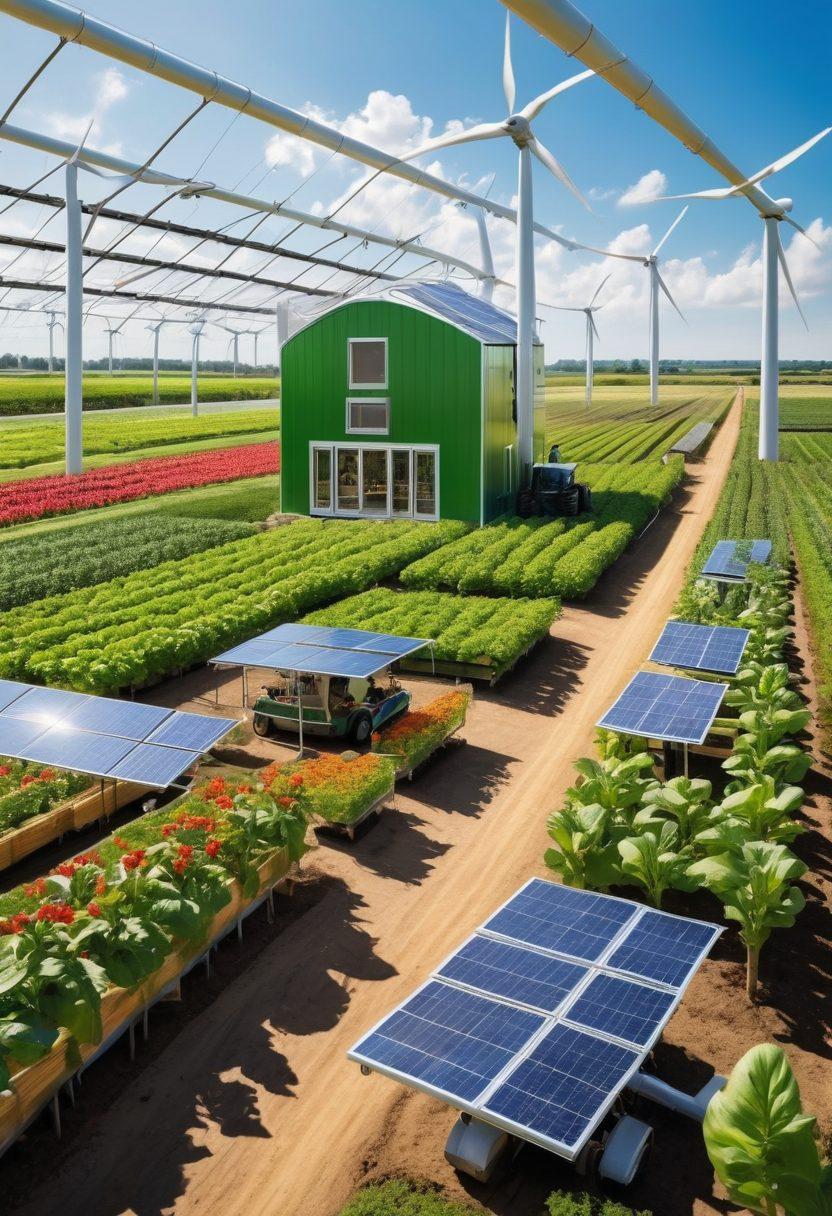
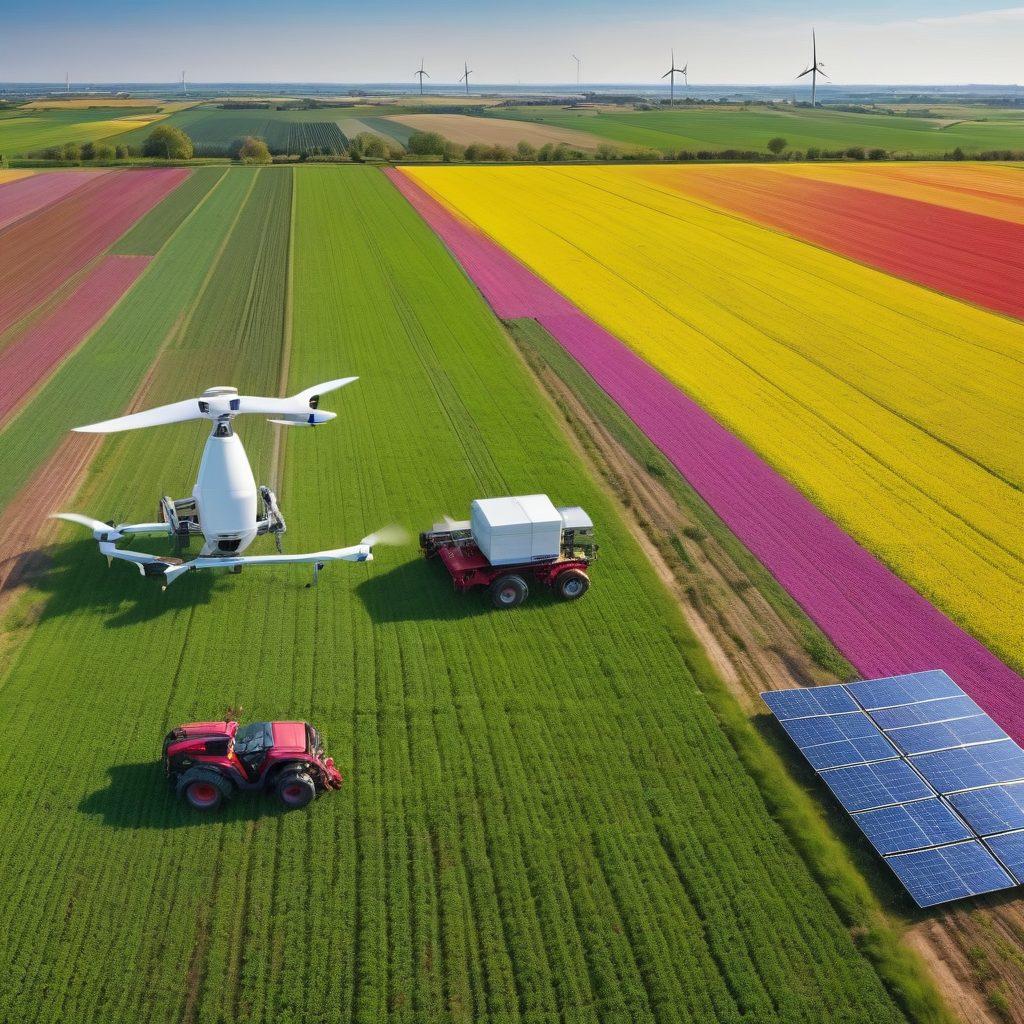
Technology also plays a crucial role in these advancements. From farm equipment designed to minimize soil disturbance to smart farming technology that optimizes water usage and monitors crop health using drones and sensors, the agricultural business is seeing a tech-driven makeover. For instance, precision farming techniques allow for meticulous farm management, ensuring that resources are used efficiently and wastage is minimized. This evolution is reshaping rural development, making farming more data-driven and efficient. Could these innovations solve some of the longstanding farm challenges faced by rural enterprises?
As we delve deeper into the nuances of sustainable farming, it's clear that these innovations are more than just trends; they are the future of agribusiness. From adopting eco-friendly farming tips to embracing modern farm operations, rural communities are at the forefront of this green agricultural revolution. Through education and collaboration, the rural community is ensuring that the legacy of farming remains vibrant and viable for generations to come. So, as you follow this agricultural blog, remember that every small, sustainable choice made on a farm today contributes to a brighter, greener tomorrow for us all.
Smart Farming: The Rise of Technology in Agribusiness
In the vast and often mercurial world of agriculture, the integration of technology has heralded a new era for farmers worldwide. Welcome to the age of Smart Farming, where technological marvels are not mere accessories but essential tools for transforming agribusiness. Picture this: a quaint fazenda in the heart of the countryside, yet armed with drones surveying crop health and sensors meticulously monitoring soil conditions. Isn't it fascinating? This blend of traditional rural life with cutting-edge advancements is a testament to how far farming has come, blending age-old practices with futuristic solutions.
The journey of Smart Farming begins at the intersection of necessity and innovation. In recent agricultural news, many farm blogs and farm news outlets have spotlighted how farmers, facing challenges from climate change to market volatility, are turning to technology to bolster sustainability and productivity. For example, precision agriculture has emerged as a game changer, allowing farmers to employ data-driven strategies for crop management. This isn't just about planting seeds anymore—it's about predicting the best planting time, managing irrigation with pinpoint accuracy, and nurturing crops with tailor-made nutrients. Imagine a system where every drop of water, every grain of fertilizer is optimized; it's efficiency at its peak!
Moreover, the integration of Smart Farming technologies significantly enhances livestock management. Picture a scenario where wearables on cattle monitor their health in real-time, transmitting data directly to a farmer's smartphone. This proactive approach not only improves animal welfare but also augments meat and dairy production. Similarly, advancements in farm equipment, such as autonomous tractors and AI-driven harvesters, have revolutionized farm operations. These technological wonders significantly reduce the physical labor traditionally associated with farming while increasing output and ensuring sustainable farming practices.
However, with technology comes a new set of challenges and considerations. Farm management now requires a unique blend of agronomy and tech-savviness. Rural communities, often rooted in long-standing traditions, face a crucial task: to adapt and embrace these innovations. The transition isn't merely about installing new equipment but about fostering an ecosystem where rural development and modern farming techniques can coexist and thrive. Agricultural businesses must invest in farm education to equip the next generation of farmers with the necessary skills to navigate this digital landscape. As echoed in multiple agricultural blogs, the future of agribusiness hinges on integrating these technologies seamlessly into quotidian practices.
While some may view this technological infusion as a departure from the pastoral essence of rural living, it's essential to understand that these innovations are means to fortify farm sustainability. Through increased farm productivity and efficient farm practices, farmers can sustain the rural economy, ensuring their plantation flourishes not just today, but for generations to come. In the end, Smart Farming symbolizes the harmonious dance between tradition and innovation, crafting a resilient future for agribusiness. So, dear readers, next time you come across farm updates or farming tips in a farm blog, remember that behind every successful harvest lies a story of smart choices and technological prowess. Isn't it inspiring how this evolution is reshaping the landscape of agriculture and rural life?
Sustainability and Innovation: Redefining Modern Farm Practices
In the world of agriculture, the terms 'sustainability' and 'innovation' have become more than just industry buzzwords; they're shaping the future of farming practices across the globe. Imagine a fazenda employing cutting-edge technology to maximize crop production while minimizing environmental impact. This isn't a futuristic daydream; it's the current reality of modern agriculture. Our farm blog delves into how sustainable farming and innovative techniques are revolutionizing the agribusiness landscape. Join us on this journey to uncover the farm trends and farming techniques that are redefining rural life and farm management.
Sustainable farming, often synonymous with organic farming, is the practice of meeting current farm production needs without compromising the ability of future generations to meet theirs. But what does sustainability look like on a modern farm? Picture a rural community where farms employ crop rotation and integrated pest management as core pillars of their crop management strategies. These practices not only ensure long-term soil health and reduce dependency on chemical inputs, but they also enhance farm productivity and contribute to a more resilient rural economy. Our agricultural blog frequently features stories from farms that have successfully implemented such sustainable farm operations.
'Farm innovations are not just about new tools but new thinking,' said a farmer from a leading agricultural business. This shift in mindset is evident in the farm equipment designed with sustainability in mind, like GPS-guided tractors that reduce fuel consumption and precise irrigation systems that conserve water. Advances in farming technology are a significant topic in farm news these days, highlighting how gadgets and software are making farming more efficient and eco-friendly. Staying updated on these farm updates can provide invaluable farming tips and farming advice on navigating the evolving landscape of agronomy and plantation management.
One of the most exciting developments in rural enterprises is the rise of smart farming techniques. Leveraging the Internet of Things (IoT) and data analytics, farmers can monitor crop health in real-time and make informed decisions that enhance farm sustainability. Imagine planting season where drones survey fields for signs of distress, and sensors in the soil provide insights into moisture levels—these are no longer scenarios belonging to science fiction. Whether you're involved in crop science or livestock management, embracing these new technologies can help mitigate farm challenges and improve overall farm economy.
However, with innovation comes a host of new farm challenges. Implementing advanced farming technology requires an upfront investment and a shift in traditional farming practices, which can be daunting for many in the rural community. Yet the rewards—ranging from increased crop production to a more sustainable environment—are well worth the effort. In our agricultural news segment, we highlight success stories and provide actionable farming advice to help you overcome these hurdles. The path to sustainability in agriculture is paved with continuous learning and adaptation, and through engaging with farm blogs like ours, you can stay ahead of the curve in farm practices and rural development.
As we look toward the future of agribusiness, the focus on farm sustainability is more critical than ever. By integrating sustainable farming techniques with innovative technologies, farmers can not only meet the growing demands for food but also safeguard our planet for future generations. Whether you're a seasoned farmer or a newcomer to rural living, staying informed on the latest farm trends and agricultural news can offer new perspectives and strategies to enhance your farm operations. Let's continue this conversation on our blog as we explore more about the intersection of sustainability and innovation in modern farm practices.